Wild food keeps its own time. A nettle patch that is perfect for soup on the first of April will be tough and seedy by mid-May, and the chanterelles you found in the same wood last September may not appear at all this year. No calendar can promise you a full basket. What it can do is stop you walking straight past something that is ready right now.
The guide below follows the year in a temperate climate, written for the northern hemisphere. If you are south of the equator, shift everything by roughly six months and trust your own ground conditions over any date on a page. Treat the months as windows, not appointments.
Late Winter: The Quiet Green (December–February)
Winter foraging is less about abundance than about attention. Cold weather slows growth but rarely stops it, and a surprising amount of food sits within a few metres of the path.
Look for chickweed, which stays tender under shelter and tastes faintly of corn, and hairy bittercress, that peppery little rosette with the tiny white flowers. Both make excellent raw additions to a winter salad. Watercress keeps growing in chalk streams and clean springs, though you should only ever pick it from water you know is free from run-off and livestock upstream. Wintercress, dandelion leaves and the first pale rosettes of wild garlic appear in mild spells from late January.
This is the season for roots and bark rather than leaves. Dandelion roots dug now are sweet and firm; scrub them, slice them thin and roast them slowly for a caffeine-free coffee substitute. Burdock and horseradish are still workable while the ground stays soft. On the hedges, sloes and rosehips hang on well into February, often softened by frost and better for it. Rosehips need the hairy seeds removed before use — strain them properly. Sea buckthorn berries, bright orange and fiercely sour, are at their best after a cold snap.
On the fungal side, look for velvet shank in dense orange-yellow tufts on dead elm and beech, oyster mushrooms on standing dead wood after a thaw, and jelly ear, which looks like a small rubbery ear and rehydrates beautifully in a stew.
March and April: The Nettle Window
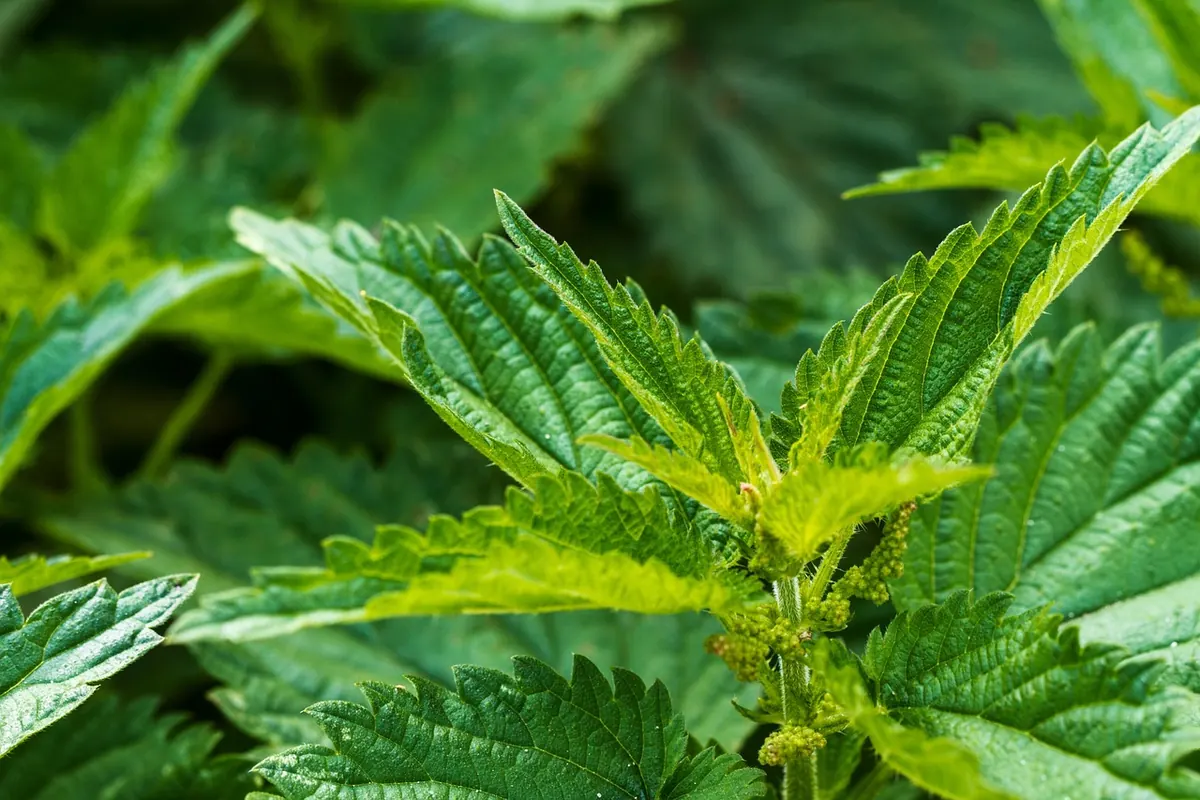
Spring arrives fast and leaves faster. The single most useful skill in March is recognising stinging nettles at exactly the right size: the top four leaves, picked before the plant begins to flower. Blanch them for a minute to neutralise the sting, then use them like spinach in soup, pesto or a tart. Once seed heads form, move on — the leaves turn gritty and unkind to your kidneys.
Wild garlic, or ramsons, is the other headline act. Pick the leaves before the white flowers open, when the garlic scent is strongest. Crush a leaf between your fingers; if it does not smell clearly of garlic, leave it. Lily of the valley and lords-and-ladies grow in the same woods and are not edible. Three-cornered leek, with its triangular stem and onion smell, fills the same role in coastal and southern hedgerows.
Also worth a basket now: wood sorrel, ground elder when the leaves are still pale and young, jack-by-the-hedge, young dandelion leaves, and the first violet flowers for crystallising. If you want a proper spring list to carry with you, these are the ones most worth learning by sight:
- Common nettle — tops only, before flowering
- Hairy bittercress — all winter and spring, superb raw
- Wild garlic — leaves before flowers, strong garlic smell
- Three-cornered leek — triangular stem, onion scent
- Wood sorrel — lemony, three heart-shaped leaflets
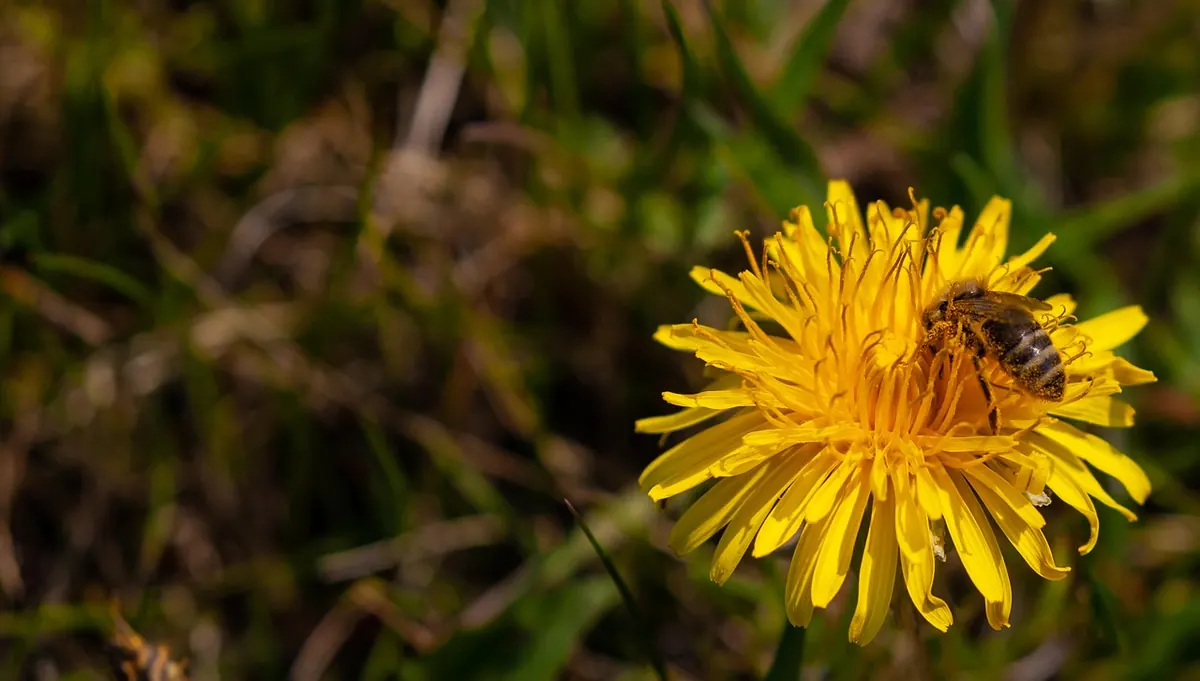
- Dandelion — leaves young, roots all winter
May and June: Flowers on the Menu
As the leaves toughen, the flowers take over. Elderflower is the big one — pick the flat creamy heads on a warm, dry morning when the scent is strongest, and use them within a day for cordial, fritters or a dry sparkling wine. Strip the stems; the green parts carry a bitterness you don't want. Hawthorn blossom, meadowsweet, lime blossom and the petals of wild roses all follow in quick succession.
Pineapple weed grows in compacted gravel and paths and smells exactly like its name; it makes a gentle, calming tea. Chamomile, yarrow and wild fennel are all harvestable now, and the first wild strawberries and bilberries reward a slow walk on acid heathland. Fat hen, mallow and purslane fill out the greens basket as nettles fade.
July and August: Berries and Drought
High summer is berry season and, in dry years, a hard time for leaves. Brambles are the workhorse — pick the blackest berries, which come away with almost no pull, and freeze what you can't eat fresh. Raspberries, bilberries, wild cherries and wild plums follow, with sea buckthorn and rowan ripening toward the end of August.
Berries are where beginners get hurt, because a few dark fruits are genuinely dangerous. Learn your target species properly and check every berry: know how many seeds it contains, how it attaches to the stem, and what the leaves look like. Never pick from a bush you have identified only by its fruit.
When heat dries the greens, switch to seeds. Fennel, coriander, sweet cicely and angelica seed all ripen now, and the green seed heads of wild fennel are excellent in pickles. Summer rain brings the first chanterelles and ceps in woodland edges from late July.
September and October: The Main Harvest
This is the busiest stretch of the year. Hazelnuts should be gathered as the green husks turn brown and before the squirrels finish the job; sweet chestnuts need the prickly cases to split and fall. Elderberries for syrup and ketchup, sloes for gin, crab apples for jelly, damsons and rowan berries all come in together. Freeze sloes overnight if you want the flavour of a frost without waiting for one.
Then the mushrooms. Chanterelles, hedgehog fungus, wood blewits, field mushrooms, giant puffballs and parasols all appear in autumn, with ceps in mixed woodland. Do not eat any mushroom you cannot identify with total confidence, and never rely on a photograph or an app. Learn from a local foray group, check spore prints, and cross-reference two or three sources. The death cap and destroying angel kill people who were certain they were right.
November: The Second Wind
After the first hard frosts, a second flush arrives. Wood blewits and hedgehog fungus often survive light frost, oyster mushrooms fruit on cold dead wood, and velvet shank returns to elm stumps. Winter chanterelles and jelly ear keep going into December in mild years. If you are picking velvet shank, be sure of your identification — it can be confused with the sulphur tuft and, on conifer wood, with the deadly funeral bell.
Nuts and roots close the year: walnuts, beechnuts, sweet chestnuts, plus burdock, parsnip and horseradish dug from ground that has not yet frozen.
Practical Rules to Forage By
Pick from clean ground — away from busy roads, sprayed verges, railway lines and dog-walking hotspots. Take a little from many plants rather than everything from one, leave the roots of perennials in place unless you have permission to dig, and never strip a patch you hope to return to.
Rules differ enormously by country and even by county. In much of the UK, picking foliage and fruit for personal use is generally accepted on land you have a right to access, but uprooting plants and picking on protected sites is not. In the United States, many national and state parks prohibit removing anything at all. Check the local position and ask the landowner where relevant.
What to carry
- A knife and a small folding saw
- Paper bags for leaves, cloth bags for mushrooms, rigid tubs for soft fruit
- Gloves for nettles and brambles
- A field guide for your region, plus a notebook for dates and locations
- Water and a charged phone with an offline map
The most valuable habit is your own notebook. Write down what you found, where and on what date, and next year you will have something no general calendar can give you: a record of your own patch, and a far better guide than any list.
If you are pregnant, managing a chronic condition, or taking medication, check with a qualified healthcare professional before introducing unfamiliar wild plants to your diet.