A small garden can be a busy one. Four square metres of balcony, a narrow strip beside the front path, or a few pots against a warm wall will pull in bees, hoverflies, butterflies and moths, provided you give them what they are actually hunting for. Nectar and pollen across the seasons, shallow water, somewhere to shelter, and a place free of sprays.
What follows is a checklist you can start in an afternoon and keep adding to over a season.
Plant for Three Waves of Bloom, Not One
The commonest mistake in a small pollinator garden is a June explosion followed by silence. A bumblebee queen foraging in March and a butterfly passing through in September want very different things. Aim for three overlapping waves, and check your planting plan against the calendar before you buy anything.
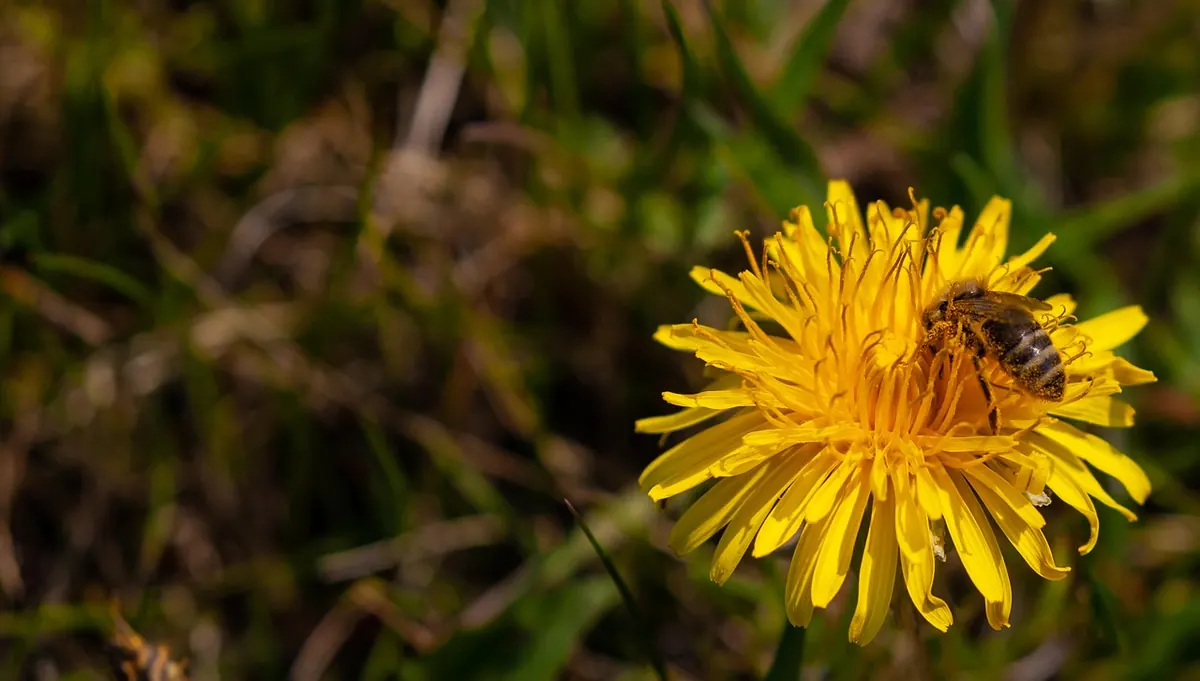
- Early, late winter to spring: willow catkins, crocus, hellebores, lungwort, flowering currant, wallflowers. Dandelions count, so leave a patch of lawn alone.
- Midsummer: catmint, salvia, lavender, borage, chives, thyme, oregano, calendula, cosmos, single dahlias, monarda, echinacea, verbena.
- Late summer into autumn: asters, goldenrod, sedum, helenium, zinnia, and hardy geraniums that rebloom after a cutback.
Two details matter more than the exact species list. First, choose single, open flowers; heavily double blooms often hide the nectar and pollen behind a wall of petals. Second, let some herbs flower. A bolting coriander, a thyme left unclipped, a parsley going to seed: some of the best pollinator plants are things you were already growing to eat.
Cluster Plants, Then Stack Them
Pollinators find flowers by sight, and one lavender in a sea of paving is easy to miss. Group at least three of the same plant together, even in containers. A block of catmint in a half-barrel reads much louder to a passing bee than a single plant in each of six pots.
Then use height. Vertical layering multiplies foraging area without taking up more ground.
- Back and edges: sunflower, hollyhock, climbing honeysuckle or jasmine on a trellis.
- Middle: salvia, monarda, echinacea, cosmos.
- Front: thyme, oregano, violas, dwarf nepeta spilling over the path.
- Containers and hanging baskets: trailing verbena, trailing rosemary, calibrachoa.
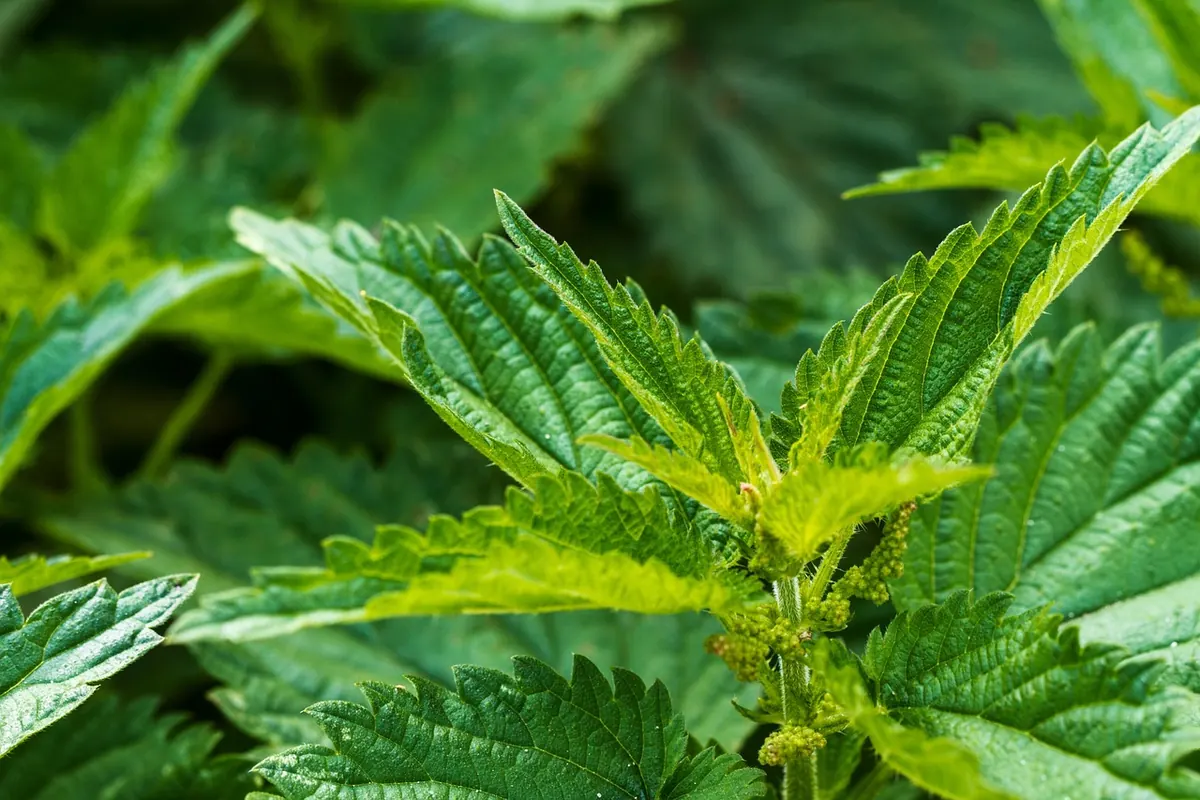
Leave a few plants for the larvae as well as the adults. Dill, fennel and parsley feed hoverfly and butterfly caterpillars, and a scruffy patch of nettles, if you can spare the space, is worth more to some of the showiest garden butterflies than a whole border of blooms.
Offer Water They Can Land On
Insects need to drink, and they cannot use a birdbath. The simplest setup is a shallow saucer sunk into the soil or tucked between pots. Add pebbles, coarse gravel or a wine cork so bees and wasps have somewhere to perch while they drink. Refresh it every day or two, especially in hot weather; water left standing for a week or more can turn into a mosquito nursery.
Butterflies often prefer damp ground to open water. A patch of sand or bare soil kept moist through summer gives them somewhere to take up minerals, and it doubles as nesting ground for ground-dwelling bees if you leave it undisturbed.
Shelter Is Mostly About Being a Little Untidy
Nectar feeds adults. Shelter is what keeps a population in place through winter. Three things do most of the work:
- Bare ground. Many solitary bees nest in soil. Leave an unmulched, uncompacted patch, ideally sunny and south-facing, and resist the urge to dig it over.
- Standing stems. Cut herbaceous perennials back to around 30–45 cm in spring rather than autumn, and leave the tops through winter. Hollow stems are nesting sites for small bees and overwintering shelter for everything else.
- Leaf litter and dead wood. A log pile in a shady corner, a bag of leaves left behind the shed, a thick hedge or dense shrub: all of it gets used.
Bee hotels can help, but only if you look after them. Tubes should stay dry, face morning sun, and be replaced or cleaned periodically, because stacked old tubes can harbour pests and disease. A bundle of hollow stems or a drilled block of untreated wood does the job. A decorative hotel that is never opened or refreshed often does more harm than good.
Drop the Sprays, Including the Natural Ones
Most garden sprays do not distinguish between the aphid and the hoverfly larvae eating it. That includes products sold as organic or natural, such as insecticidal soap, neem and pyrethrum, which kill pollinators on contact. Weed-and-feed lawn products are a common culprit too, especially where clover and dandelions are feeding bees in spring.
If you genuinely have to treat something, spray at dusk when most pollinators have stopped flying, never on an open flower, and follow the label exactly. If you are unsure what a product will do to the insects you are trying to attract, ask at a good garden centre or your regional horticultural extension service before you use it.
Most of the time you will not need to. Handpick large pests, blast aphids off buds with a jet of water in the morning, grow a few sacrificial plants, and accept some chewed leaves. A garden with a few holes in it is working as intended.
The Checklist
- Three waves of bloom: early, midsummer, late.
- At least three of each plant, grouped rather than scattered.
- Single, open flowers, plus herbs left to flower.
- One shallow water dish with perches, refreshed every day or two.
- Bare soil, standing stems, leaf litter, dead wood.
- No sprays and nothing applied to open blooms.
- Food for caterpillars, not just for adults.
You do not need all of this in the first year. Pick two plants that fill the earliest gap in your flowering season, add a water dish, and stop cutting everything down in October. The bees will find you.
Photo: TheOtherKev / Pixabay